

 Supporting Allied Health for over 40 Years
 Free Shipping Australia Wide
 Your Trusted Clinical Partner






















Maternity | Pelvic Support
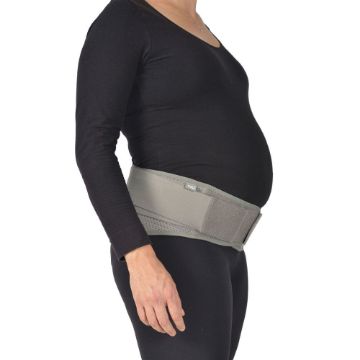

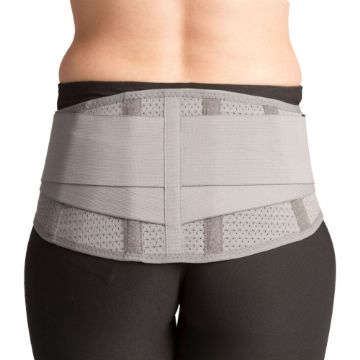
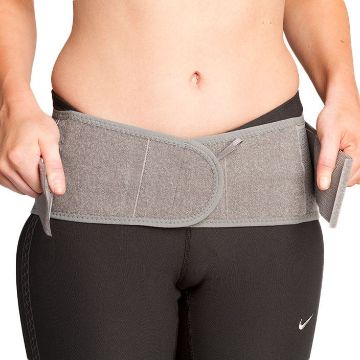
OAPL SACROILIAC CINCH
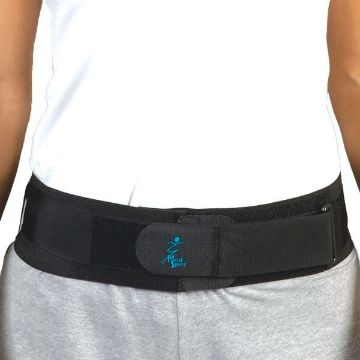
OPC SACROILIAC (SIJ) BELT
Helps stabilise and support the Sacroiliac Joints. Inner latex-free elastic belt with plush lining provides compression and is comfortable enough to be worn directly next to the skin.


Aspen Evergreen Belt
Provides sacral stabilisation with a bilateral pull design for maximal compression.


Embrace Maternity Belt
Moderate abdominal and lumbar support. The Embrace Moderate Support Maternity Belt evenly transfers the weight of the abdomen. Ideal support for back pain associated with pregnancy.


Embrace Ultimate Maternity Belt
Provides compression and stabilisation to abdomen. Split front panel contours to expanding abdomen. Hook and loop closure allows easy donning and doffing.


Extender for Serola S.I.J Belt
The Serola Belt Extender adds an additional 8 inches to the length of the Serola Sacroiliac Belt. Note that the Serola Sacroiliac Belt is sold separately.
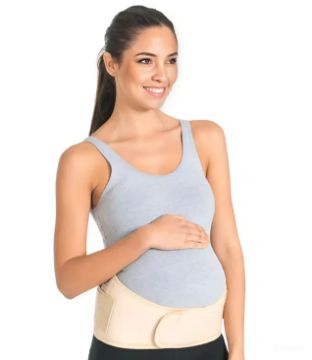

Maternity Belt
Supports the lumbar and abdominal regions to help relieve low back pain. Ideal for low back pain and discomfort during pregnancy. Made of tensed elastic material.


SEROLA SACROILIAC BELT
The Serola Sacroiliac Belt provides stability to the base of your spine, increasing strength throughout your back, hips, and legs, and lessening your chances of injury considerably during work or play.

Supporta Elastic Pregnancy Belt
Designed to give support during pregnancy to the abdomen and lower back.


The Com-Pressor Belt
The Com-Pressor Belt is a specific pelvic compression belt allowing both location and amount of compression to be easily adjusted around the pelvic girdle.

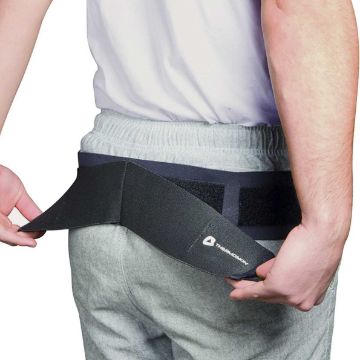

THERMOSKIN SACROILIAC BELT
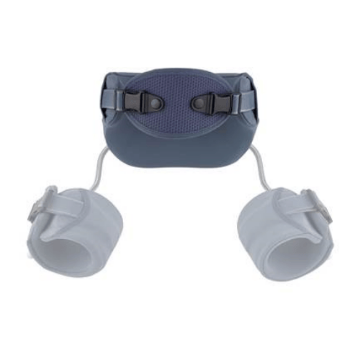

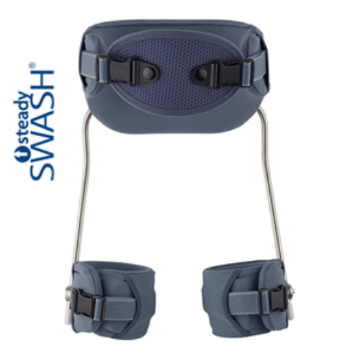

SWASH STEADY PELVIC BAND
Swash is a unique dynamic hip brace that allows controlled variable abduction and dynamic movement in all three planes of motion. The goal of SWASH® is to prevent excessive hip adduction when sitting, standing, and walking as usual in cerebral palsy.


SWASH STEADY & GO THIGH CUFFS SET
Thigh circumference: Measure at distal thigh, just proximal to the condyles. Ideal is to fit the cuffs as distal as possible without creating pressure or interference in the popliteal area. However, pressure on the thorax, excessive spinal flexion, or discomfort due to hamstring tightness, may be relieved by moving the cuffs up 1 - 3 inches.


- 1
- 2


